


Join Kirk and Friends TONIGHT for a Discussion About "Grief!" for Warriors for Life (WFL)

Come join Volunteer, Peer Support Specialist Kirk Poe for "Awaken Your Inner Healer!" edition of Warriors for Life (WFL) Online, sponsored and presented by Victory for Veterans, Inc. (VFV).
We are asking everyone to share who we are and the support that Victory for Veterans, Inc. (VFV) provides through Warriors for Life (WFL). If you know someone who is a veteran, first responder or a family member/caregiver, please ask them to join us for at least one meeting so they can learn more about what we do and how they can share their wisdom with others who may be able to learn from them.

TONIGHT's Topic: "Grief!"

Join Kirk and Friends, TONIGHT and let's get together online for the Warriors for Life (WFL) as we discuss the 7 Stags of"Grief," facts about grief, and some tips to overcome grief!

Grief acts as a profound emotional trauma that can rewire the brain, causing anxiety, depression, insomnia, and cognitive difficulties, often exacerbating existing mental health issues. Working through grief involves allowing space for emotions, maintaining routines, seeking therapy, and utilizing support groups. Yes, grieving is essential, though complex, when managing PTSD, TBI, or MST, as it requires careful handling of "invisible wounds" alongside loss.
Facts About Grief
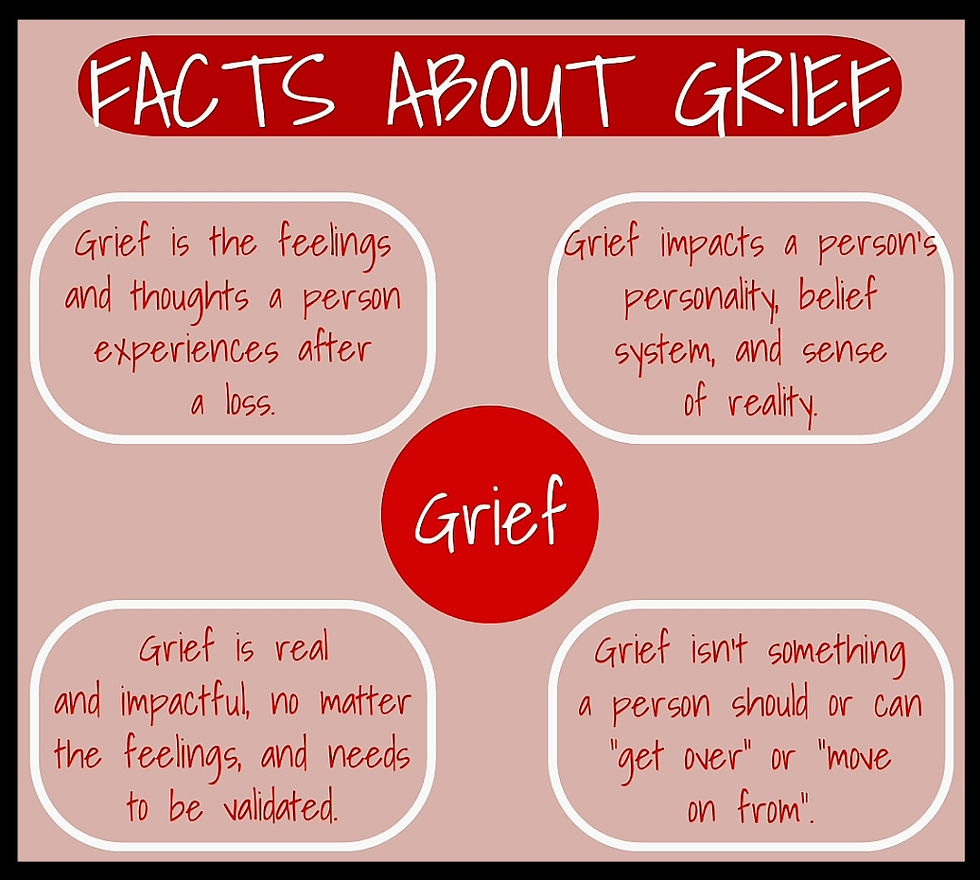
How Grief Affects Mental Health
Neurological Impact: Grief activates brain regions associated with stress, mimicking trauma or PTSD. It affects reward pathways by trying to process the absence of a loved one, causing high emotional volatility.
Mental Health Issues: Grief can trigger or worsen depression, anxiety, panic attacks, and severe fatigue.
Physical Manifestations: It can lead to severe sleep disturbances, including insomnia or nightmares, as well as reduced immune response and chronic physical pain.

Grief and Invisible Wounds (PTSD, TBI, MST)
It is Necessary: Grief is a natural, albeit painful, process. It is "okay" to grieve even if you are suffering from PTSD, TBI (Traumatic Brain Injury), or MST (Military Sexual Trauma).
Complex Interplay: Grief can intensify PTSD symptoms like hypervigilance or flashbacks.
Specialized Support Needed: Because of the interplay between grief and pre-existing invisible wounds, it is often necessary to seek therapists who specialize in both bereavement and trauma.
The Goal is Integration: The goal is not to "get over" the loss entirely but to learn to integrate the loss into your life, finding a new way to live despite the pain.
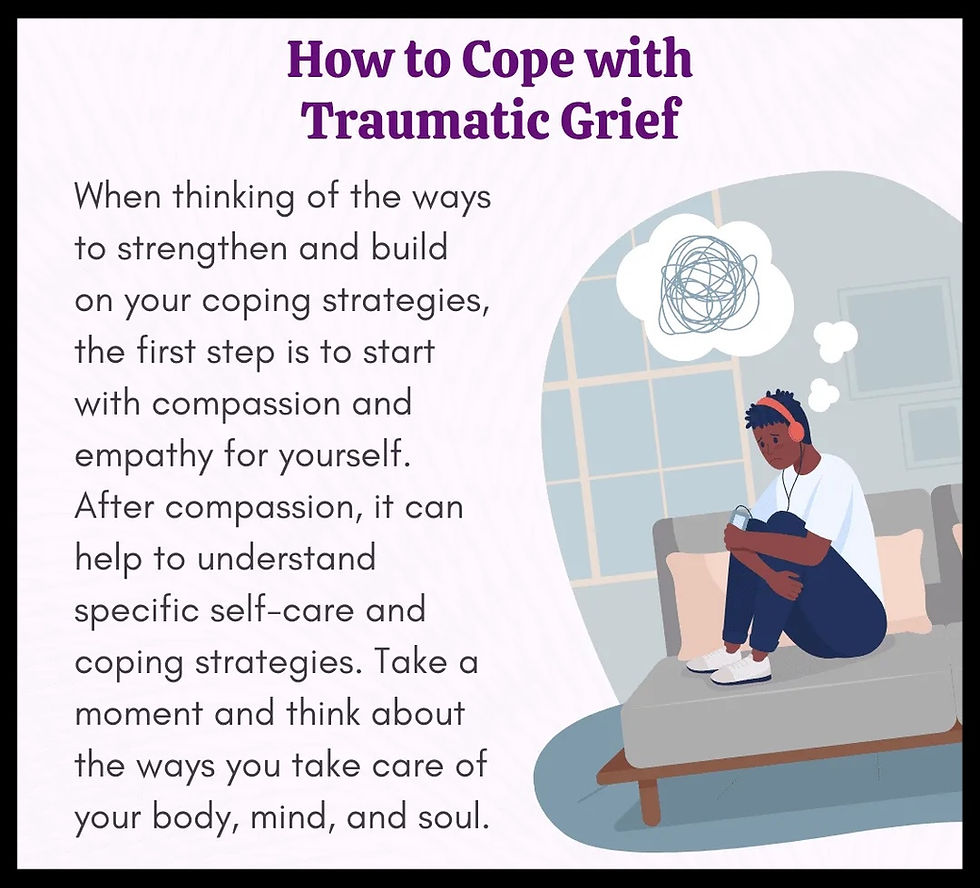
How to Work Through and Overcome Grief
Acknowledge and Process Emotions: Rather than avoiding pain, allowing yourself to feel anger, sadness, or confusion is a crucial first step.
Professional Support: Therapy (such as Cognitive Behavioral Therapy or CBT) provides specialized tools to handle the emotional toll, especially if grief becomes chronic or "prolonged".
Peer Support: Connecting with support groups of people who have experienced similar losses helps mitigate isolation.
Healthy Coping Mechanisms: Maintaining regular routines, journaling, and engaging in creative arts can help process emotions.
Honoring the Loss: Creating tributes, such as memorializing a loved one, can help move forward while maintaining a positive connection to the past.
Tips for How to Deal with Grief

5 Ways to Support Someone Who is Grieving

Warriors for Life (WFL) Online "Awaken Your Inner Healer!" edition presented by Victory for Veterans, Inc. (VFV) - Monday (TONIGHT), March 23, 2026 @ 4:30 PM PT, 5:30 PM MT, 6:30 PM CT, & 7:30 PM ET
Join Zoom Meeting: https://us06web.zoom.us/j/86121340012
Thank you,
Kirk Poe, Certified Peer Support Specialist, Reiki Master, Certified Body/Emotion/Belief Code Practitioner, & Volunteer Facilitator, Victory for Veterans, Inc. (VFV)


Comments