


Join Derrick and Friends TONIGHT for "Liar! Liar! Pants on Fire!" with Warriors for Life (WFL)

Join our Volunteer, Army Veteran & Peer Support Specialist/Supervisor Derrick Iozzio TONIGHT for "Forever Forward!" edition of Warriors for Life (WFL) Online, sponsored and presented by Victory for Veterans, Inc. (VFV).
We are asking everyone to share who we are and what support that Victory for Veterans, Inc. (VFV) is providing via WFL. If you know someone who is a veteran, first responder or a family member/caregiver, please ask them to join us for at least one meeting so they can learn more about what we do and how they can share their wisdom with others who may be able to learn from them.

TONIGHT's Topic: "Liar! Liar! Pants on Fire!"

Join Derrick and friends TONIGHT for "Liar! Liar! Pants on Fire!" A discussion about being truthful with your thoughts and emotions. What you truly feel and being able to tell the truth about it. Truth will set you free.

Being truthful about your thoughts and emotions is highly beneficial to mental health, because it builds self-awareness, fosters authentic connections, reduces internal conflict, and enables effective healing by allowing you to process feelings, seek appropriate support, and stop suppressing signals your brain sends, ultimately leading to better coping and overall well-being. Hiding your true feelings creates isolation and anxiety, while honesty empowers you to understand your needs and build real support systems, making it the foundation for growth, not just for therapy, but for life.
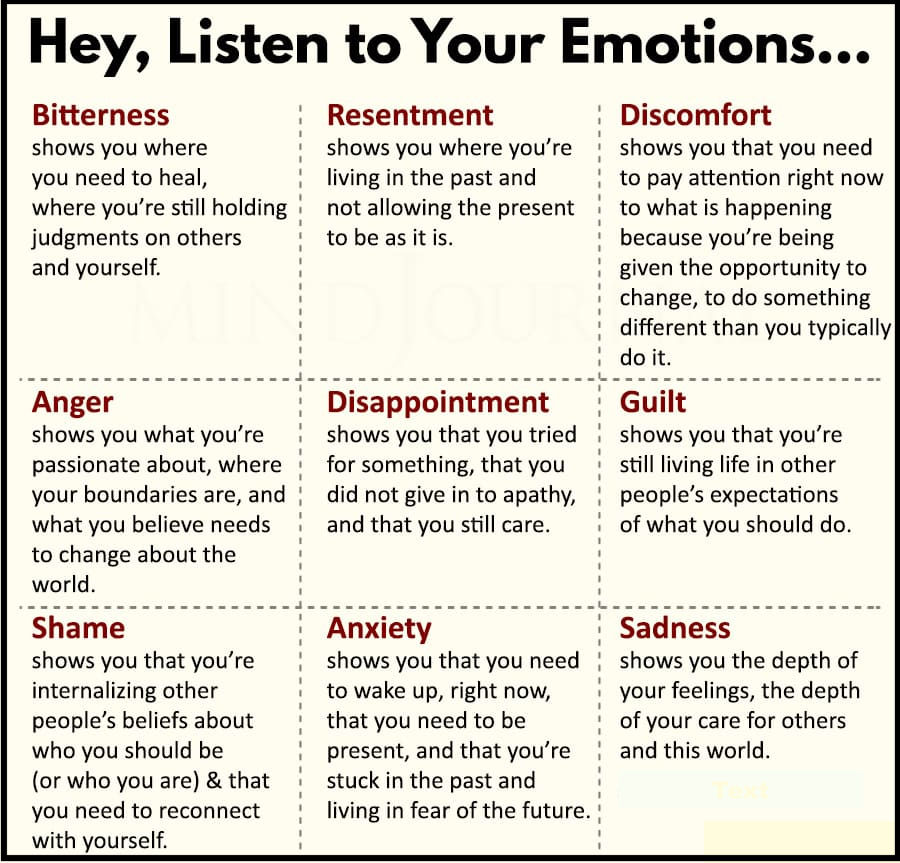
Benefits for Self-Understanding & Processing:
Increases Self-Awareness: Acknowledging feelings helps you identify negative patterns and triggers, leading to healthier choices.
Empowers Processing: Truthful expression, even to yourself (like journaling), helps your brain make sense of experiences and move through trauma or stress, rather than bottling them up.
Reduces Anxiety: Honesty frees you from the fear of judgment and the burden of pretending, creating inner peace.
Improves Coping: Emotions are important signals; ignoring them (like a faulty GPS) makes navigating life harder, while understanding them helps find solutions.
Benefits for Relationships & Support:
Builds Authentic Connections: Honesty fosters trust, reduces misunderstandings, and promotes deeper, more intimate relationships.
Breaks down Isolation: Sharing with trusted people reduces feelings of loneliness and shows you that others care.
Creates Support Networks: Opening up allows friends, family, or professionals to offer the right kind of help, promoting early intervention.
Benefits for Therapy & Healing:
Enhances Therapy: Full honesty allows therapists to tailor effective treatments and helps you explore underlying issues for deeper healing.
Fosters Authenticity: Living truthfully leads to empowerment and transformation, improving your overall well-being.

Yes, acknowledging the truth about your emotions and thoughts is considered a foundational step in improving mental health, often acting as a catalyst for emotional freedom. While it may not instantly eliminate pain, facing the reality of your inner world—without judgment or suppression—is essential for processing emotions, reducing their power over you, and fostering long-term resilience.
Here is how embracing this "truth" leads to mental freedom:
1. Breaks the Cycle of Emotional Avoidance
The Burden of Suppression: Bottling up emotions causes them to resurface later, often with greater intensity, leading to increased anxiety, depression, and even physical symptoms.
"Truth" as Release: Admitting to your true feelings acts as a "safety valve," allowing the energy of the emotion to pass through you rather than becoming trapped in your body or mind.
Actionable Insight: The goal is to move from "I am angry" to "I notice anger is in me," which allows you to observe the emotion without becoming owned by it.
2. Reduces the Impact of Distorted Thinking
Feelings Are Not Facts: Often, mental health struggles are intensified by believing thoughts that feel real but are actually distorted, such as catastrophic thinking or irrational fears.
Rewiring the Brain: By examining your thoughts for truth, you can stop the brain from activating stress circuits (like the amygdala) and instead foster a more realistic, calmer perspective.
Self-Compassion: The truth is often painful initially, but it provides the clarity necessary for healing and self-acceptance.
3. Enables Proper Self-Regulation
Labeling Emotions: Research shows that simply putting feelings into words (e.g., naming your emotion) reduces activity in the brain's amygdala, which acts as a "fire alarm".
Creating Space: When you accept your emotions, you gain the ability to choose how to respond rather than reacting impulsively, which is the core of emotional freedom.
4. Promotes Authenticity and Connection
Ending the Act: Hiding your true self leads to isolation. Sharing your truth with trusted friends, family, or therapists helps break down the isolation that exacerbates mental health challenges.
Building Trust: Being honest with yourself and others builds authentic relationships that act as a buffer against anxiety and depression.

Enduring the Process
As highlighted by psychologists, "the truth will set you free, but you have to endure the labor pains of birthing it". It takes courage to face uncomfortable emotions, but this process of "right effort" — or mindfulness—is what eventually leads to a more peaceful, compassionate, and authentic life.
Warriors for Life (WFL) Online "Forever Forward!" edition presented by Victory for Veterans, Inc. (VFV) — Thursday (TONIGHT), January 22, 2026, @ 4:30 PM PT, 5:30 PM MT, 6:30 PM CT, & 7:30 PM ET
Join Zoom Meeting: https://us06web.zoom.us/j/81682532691
Thank you,
Derrick Iozzio,
Army Veteran, Peer Support Specialist/Supervisor, Catch 22 Peer Support Founder, & Volunteer Facilitator, Victory for Veterans, Inc. (VFV)


Comments